New Puppy Training: 4-Week Routine for Fast Results
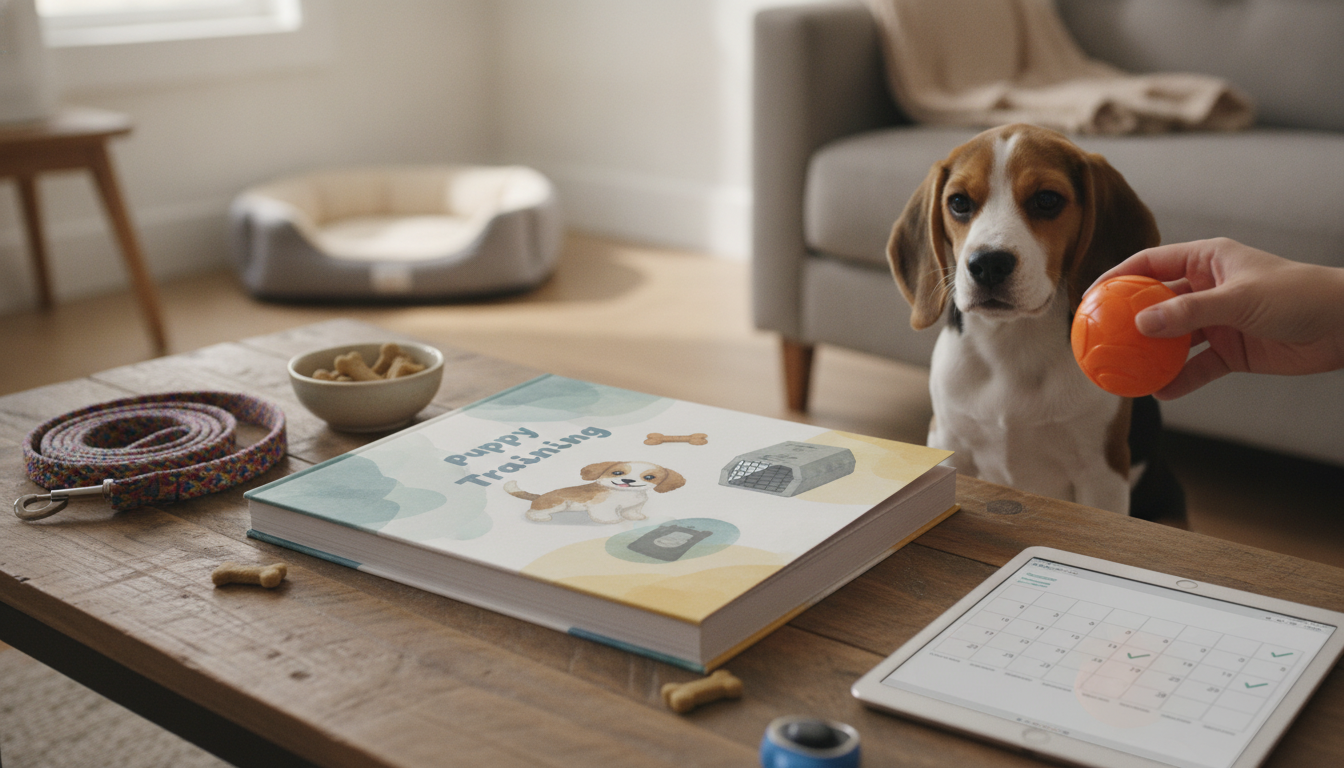
Set Up the First 48 Hours: Home Base, Schedule, and Rewards
The fastest way to reduce accidents and confusion is to shrink your puppy’s world at first. Pick one puppy-proof “home base” (a kitchen corner, laundry room, or gated area) stocked with water, a bed, safe chew options, and either a crate or playpen. Fewer rooms means fewer surprise messes—and more chances to reward the right choice.
Choose one outdoor potty spot and use it every single time. Same door, same path, same patch of grass helps your puppy connect the dots quickly. When the puppy gets it right, deliver a tiny, high-value reward within 1–2 seconds (treat, praise, or both). That tight timing is what makes learning “click.”
Start a simple log for wake-ups, meals, potty trips, naps, and accidents. Patterns show up fast, and the schedule becomes easier to tighten. Keep greetings calm, too: reward “four paws on the floor” so jumping doesn’t become the default way to say hello.
House-Training That Sticks: Timing, Supervision, and Accident Cleanup
Early on, it’s better to use a timer than to wait for signals. Take your puppy out after waking, after eating, after play, after training, and before/after crate time. If you’re unsure, go out again—repetition now prevents weeks of backtracking later.
Indoors, supervision is the secret weapon. If you can’t keep eyes on your puppy, use the crate or a playpen so accidents don’t become a rehearsed habit. Outside, add a short cue like “go potty,” stand still, and quietly wait. The moment your puppy finishes, reward immediately, then offer a brief sniff or tiny walk as a bonus.
If an accident happens, interrupt calmly (no scolding), take your puppy outside, and give a chance to finish. Then clean the spot with an enzymatic cleaner to remove odor markers that can pull your puppy back to the same area.
For nights, plan one last potty trip right before bed. If your puppy wakes you, keep the trip boring and brief—no playtime—so sleep stays the main event.
Crate and Alone-Time Skills: Calm Starts, Short Reps, Better Sleep
Think of the crate as a snack-and-rest zone, not “time out.” Toss treats in, feed meals near (or inside) the crate, and praise calm settling. Begin with tiny reps: 30–60 seconds of quiet, then a release. Add time in small increments so the crate doesn’t predict panic.
Pair alone-time with a safe chew or stuffed food toy. This builds a powerful association: “When people leave, good things happen.” Avoid using the crate as punishment; you want it to signal safety and rest.
Support naps on purpose. Young puppies often need several daytime naps, and an overtired puppy is more likely to nip, zoom, and struggle to focus during training.
4-Week Puppy Routine (Beginner-Friendly Plan)
This four-week starter routine keeps expectations simple: consistent potty practice, short training “micro-sessions,” calm crate work, and safe socialization that builds confidence. Keep sessions short (1–3 minutes) a few times per day, and end while your puppy is still successful.
4-Week Starter Routine Snapshot
| Week | Primary Goal | Daily Focus (5–15 minutes total) | Progress Check |
|---|---|---|---|
| 1 | Predictable potty + safety | Potty schedule, name game, crate treats, gentle handling | Accidents decreasing; puppy relaxes briefly in crate |
| 2 | Foundational manners | Sit, touch, leash pairing, calm greetings, settle practice | Puppy follows lure, fewer nipping spikes, calmer transitions |
| 3 | Impulse control | Wait at doors, short stay, drop-it trading, mat/bed training | Puppy pauses before grabbing; can relax on a mat for 10–30 sec |
| 4 | Real-life reliability | Practice cues in new places, longer crate/alone reps, socialization exposures | More consistent potty cues; responds to name/cues with mild distractions |
Core Commands to Teach First: Simple Cues That Prevent Big Problems
The best first cues are the ones that stop chaos before it starts. Begin indoors with low distractions and reward generously.
For more detailed daily prompts, check out the New Puppy Training Starter Guide (printable 4-week routine).
Socialization Without Overwhelm: Confidence, Not Just Exposure
Pair new experiences with tiny treats and stop before your puppy gets tired or worried. Include gentle handling practice (paws, ears, mouth, collar touch) so grooming and vet visits feel routine. For deeper guidance on timing and safety, the American Veterinary Society of Animal Behavior (AVSAB) position statement on puppy socialization is a helpful reference.
Common Beginner Stumbles (and Quick Fixes)
If you want extra reassurance on housetraining expectations, VCA Animal Hospitals’ overview on house-training puppies explains why timing and management matter.
A Printable Plan for Busy Days: Keep Progress Consistent
- New Puppy Training Starter Guide | Printable Puppy Training eBook for Beginners
- Memory Boost Worksheets (printable) for keeping a simple daily training/potty habit tracker consistent
- Adidas Men’s White Slip-On Sneakers – Sporty & Versatile for quick on-and-off trips outside during frequent potty breaks
FAQ
How often should a new puppy go outside to potty?
Plan potty trips after waking, after meals, after play, after short training sessions, and before/after crate time. Use a timer early on, since many puppies won’t signal reliably yet, and adjust based on your puppy’s age and accident patterns.
When can a puppy start socializing with other dogs?
Start with controlled, safe interactions with healthy, vaccinated, well-mannered dogs, and follow your veterinarian’s guidance on vaccines and local risk. Avoid high-traffic, high-risk areas until your puppy is appropriately protected.
What are the first commands to teach a puppy?
Start with name recognition, touch (hand target), sit, come, and leave it/drop it. These cues prevent common issues like jumping, nipping, and grabbing unsafe items while building focus and trust.










Leave a comment